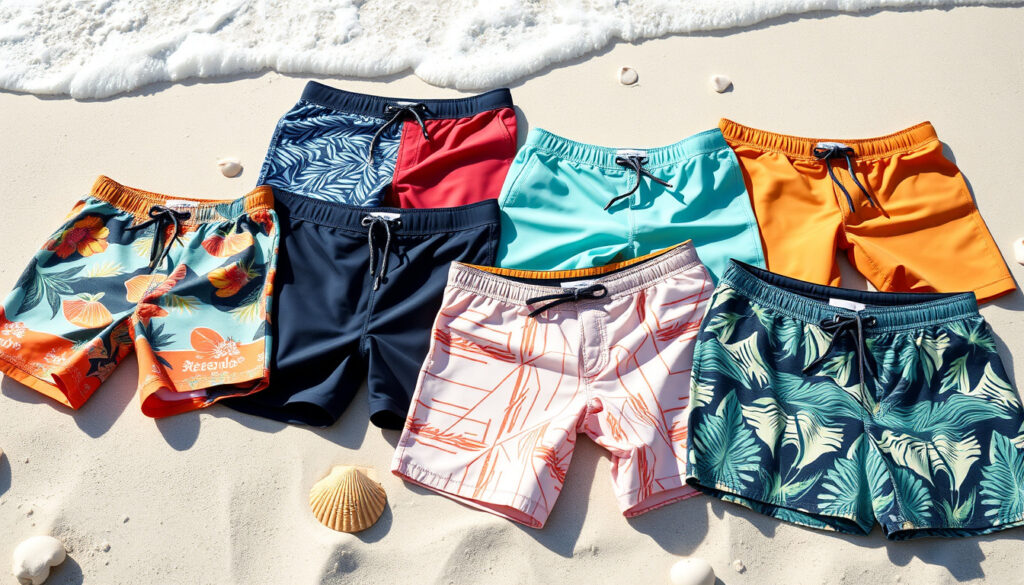
Maillot de Bain Homme – Complete 2024 Buying Guide
The men’s swimwear market in 2024 centers on three core promises: comfort that lasts from beach to boardwalk, styles that transition seamlessly between water and city, and materials that respect both skin and environment. Whether searching for a budget-friendly option or a premium piece built to endure a decade of summers, understanding the landscape of cuts, fabrics, and brands makes all the difference.
This guide addresses the most pressing questions from shoppers: which styles dominate current trends, how sizing works across brands, where protection against ultraviolet radiation fits into the decision, and which manufacturers balance quality with price effectively. The information draws from specialist retailers, fashion publications, and brand-specific resources to present a clear picture of what 2024 delivers.
What Is the Best Men’s Swimwear in 2024?
Choosing the right swimwear starts with knowing what the market offers. The following overview captures the essential categories, price ranges, and leading manufacturers shaping this year’s selections.
Board shorts, swim trunks, swim briefs, swim boxers
€40–€80 for quality mid-range options
UPF 40+ protection, recycled polyester, quick-dry polyamide
- Board shorts dominate approximately 70% of European sales, according to market analysis.
- Extended sizing options have expanded significantly, with brands like Marc O’Polo and Faguo offering comprehensive size charts.
- Quick-dry technology ranks as the top functional priority for most buyers, followed by interior comfort.
- Recycled polyester and sustainable manufacturing have moved from niche to mainstream across price tiers.
- Versatile pieces that work from beach to casual city settings represent the dominant aesthetic direction.
- UPF 40+ ratings block approximately 97.5% of ultraviolet radiation, making sun protection a measurable standard.
| Criteria | Details | Recommendation |
|---|---|---|
| Materials | Polyester, elastane, recycled polyamide | Recycled polyamide for durability and eco credentials |
| Sizing | S to 4XL+ across most brands | Consult individual brand guides; measurements vary |
| Price Tiers | €15–€300+ | €40–€80 hits the sweet spot of quality and value |
| UV Protection | UPF 15 to UPF 50+ | UPF 40+ for extended sun exposure |
| Key Features | Drawstring waist, mesh lining, pockets | Elastic with cord provides best security |
| Style Direction | Minimal cuts, tropical prints, neon accents | Choose based on planned activities |
What Are the Different Types of Men’s Swimwear?
The men’s swimwear market breaks down into three distinct categories, each serving different purposes and preferences. Understanding these distinctions clarifies which option matches specific needs.
Swim Briefs
Swim briefs fit closely without leg coverage, sitting above the hip line. These styles suit competitive swimming and swimmers seeking maximum sun exposure for tanning. Most feature interior lining but lack pockets. The minimal coverage makes them less suitable for casual beach activities where storage or extended wear matters.
Swim Boxes
Swim boxers offer a middle ground with leg coverage extending to just above the knee. They provide greater versatility than briefs, working well for both active swimming and casual beach time. Like briefs, most include interior lining and exclude pockets. This style tends to suit men who prefer more coverage without the full silhouette of board shorts.
Board Shorts and Swim Trunks
Board shorts and swim trunks deliver the most coverage and functionality. These styles range from fitted like sports underwear to loose like casual shorts, with lengths hitting mid-thigh or longer. Crucially, they include pockets—a practical feature for carrying essentials. The design accommodates everything from poolside lounging to beach walks to informal dining.
Before purchasing, verify the interior lining quality and waistband security. A quality mesh lining prevents chafing, while elastic combined with a drawstring provides reliable retention during swimming.
How to Find Plus-Size Men’s Swimwear?
Finding well-fitting swimwear for larger body types requires knowing which brands extend their ranges and how their sizing compares to standard charts.
Brands Offering Extended Sizing
Several manufacturers explicitly design for broader frames. Marc O’Polo and Faguo provide comprehensive size options that exceed typical ranges, making them reliable starting points for plus-size searches. Vilebrequin and Seagale also offer extended sizing, though availability varies by retailer. Checking individual brand size guides remains essential, as measurements differ between manufacturers.
Key Fitting Considerations
Waist measurement provides the primary reference point, with thigh circumference as a secondary consideration. Elastic waists with integrated drawstrings offer the most reliable fit security. For men between standard and extended sizes, sizing up often resolves fit challenges while maintaining comfort through quick-dry materials that avoid sagging when wet.
Brand size guides vary considerably. When between sizes, measure your waist and compare directly against each manufacturer’s chart rather than assuming consistency across brands.
Men’s Swimwear: Shorts, Boxer, or Brief?
The choice between these three formats depends on planned activities, personal comfort preferences, and body type considerations.
Shorts excel for anyone prioritizing versatility and storage. They transition effortlessly from swimming to walking to casual dining without requiring a change. The loose fit appeals to men who find closer cuts restrictive, and pockets handle essentials like keys or cards.
Boxers strike a balance for men who want more coverage than briefs but prefer something closer-fitting than traditional board shorts. The medium length works well for active water sports and casual beach time alike.
Briefs serve swimmers focused on performance or anyone seeking maximum tan coverage. They demand more confidence in fit but deliver unrestricted movement. Most men reserve this style for competitive swimming or private beach settings rather than public pools or mixed environments.
Men’s Swimwear Trends Over Time
Understanding the evolution clarifies why current styles dominate and hints at where the market heads next.
- Early 2010s: Long board shorts dominated European markets, with extended leg coverage considered the standard.
- Mid-2010s: Movement toward shorter cuts began, influenced by athletic swimwear and vintage revivals.
- 2020: Board shorts returned strongly, reversing the ultra-minimal trend and emphasizing practical coverage.
- 2022–2023: Technical features gained prominence—quick-dry fabrics, UV protection ratings, and sustainable materials entered mainstream offerings.
- 2024: The current era prioritizes versatility, with cuts trending minimal but styles emphasizing beach-to-city adaptability. Eco-conscious materials and UPF 40+ ratings have become standard across quality tiers.
What’s Established Versus What’s Uncertain
| Established Information | Remaining Uncertainty |
|---|---|
| Board shorts hold approximately 70% of European swimwear sales | Specific large-size market data remains limited |
| UPF 40+ ratings block 97.5% of ultraviolet radiation | 2025 trend directions lack confirmed signals |
| Quick-dry materials represent the top functional priority for buyers | Comprehensive anti-UV brand comparisons unavailable |
| Recycled polyester adoption has grown across price tiers | Hybrid swimwear-to-land wear demand level unclear |
| Brands like Vilebrequin and Speedo offer reliable quality | Long-term durability data for newer eco-materials limited |
Market Context and Analysis
The swimwear market reflects broader shifts in how men approach clothing purchases. Comfort has become non-negotiable, driving demand for technical fabrics that dry quickly and resist chafing. Versatility ranks high, with buyers seeking pieces that work across multiple contexts without requiring separate wardrobes.
Sustainability has moved from a niche concern to a mainstream expectation. Recycled polyester and polyamide appear across budget and premium tiers, though quality varies. Buyers committed to eco-credentials should verify certification claims and research brand-specific environmental commitments.
The e-commerce channel continues dominating sales, with specialist retailers and brand-direct websites offering the most detailed guidance. Physical stores provide value for fit verification but rarely match the comprehensive sizing information available online.
Expert Sources and References
Decathlon and Speedo publish detailed buying guides that emphasize functional fit and activity-specific recommendations, reflecting their expertise in sports-oriented swimwear.
Fashion publications note that Vilebrequin maintains iconic status in premium swimwear, with customers reporting products lasting a decade or longer—unusual durability in a category where replacement cycles typically run two to three years.
Summary and Next Steps
The 2024 men’s swimwear landscape offers more considered choices than ever before. Board shorts remain the dominant format, but technical innovations—quick-dry fabrics, UPF 40+ protection, recycled materials—have elevated expectations across all price points. Plus-size availability has improved, though consulting individual brand guides remains essential for accurate fitting.
For those planning tropical getaways, exploring All Inclusive Dominican Republic Resorts or checking Punta Cana Trip Deals can help transform swimwear choices into actual vacation plans. The right suit awaits—whether prioritizing competitive performance, casual comfort, or simply looking good by the water.
Frequently Asked Questions
Does men’s swimwear with UV protection actually work?
Yes. Fabrics with UPF 40+ ratings block at least 97.5% of ultraviolet radiation. Brands like Pyque, Arena, and Rip Curl incorporate these ratings into their standard lines, making sun protection a measurable feature rather than a marketing claim.
What’s the difference between board shorts and swim trunks?
Board shorts typically fit more loosely and include a hidden mesh liner without pockets, while swim trunks offer a slightly more tailored fit with functional pockets. Both work for general beach and pool use.
How do I choose between swim briefs, boxers, and shorts?
Consider your primary activity. Competitive swimmers benefit from briefs. Active water sports suit boxers. Casual beach use, walking, and needing pocket storage point toward shorts.
What size should I order for men’s swimwear?
Measure your waist and consult each brand’s specific size chart. Sizing varies significantly between manufacturers. When between sizes, sizing up usually provides better comfort, especially with quick-dry materials.
What’s a reasonable budget for quality men’s swimwear?
Quality options typically fall between €40 and €80. Budget brands like Jott and Arena offer solid basics under €50, while premium pieces from Orlebar Brown and Vilebrequin exceed €200.
Are eco-friendly swimwear options actually sustainable?
Recycled polyester and polyamide represent genuine improvements over virgin synthetics. Look for brands with certified sustainability claims and transparent manufacturing processes. Faguo and Seagale rank among the more transparent options.
How do I care for swimwear to extend its life?
Rinse after each use, avoid machine washing, air dry away from direct heat, and store flat. Quick-dry fabrics lose elasticity faster when exposed to high heat or wringing.
More related posts
 Hailey Van Lith: WNBA Career, Relationship Updates, and Key Facts (2025)
 David Allan Coe: Conviction, Elvis Song, Net Worth, and Death
 Quelle Heure Est-Il En France – CET/CEST Time Guide for Paris
 How Long Does Nicotine Stay in Your System: Detection Guide
 NHL Trade Deadline 2025: Tracker, Deals & Grades
 Ten Foot Henry Calgary Menu: Prices, Hours & Parking
 Arthur Jones Cause of Death – Natural Causes Aged 80 in 2007
 Anna Nicole Smith: Life, Death, and Legal Battles Explained
