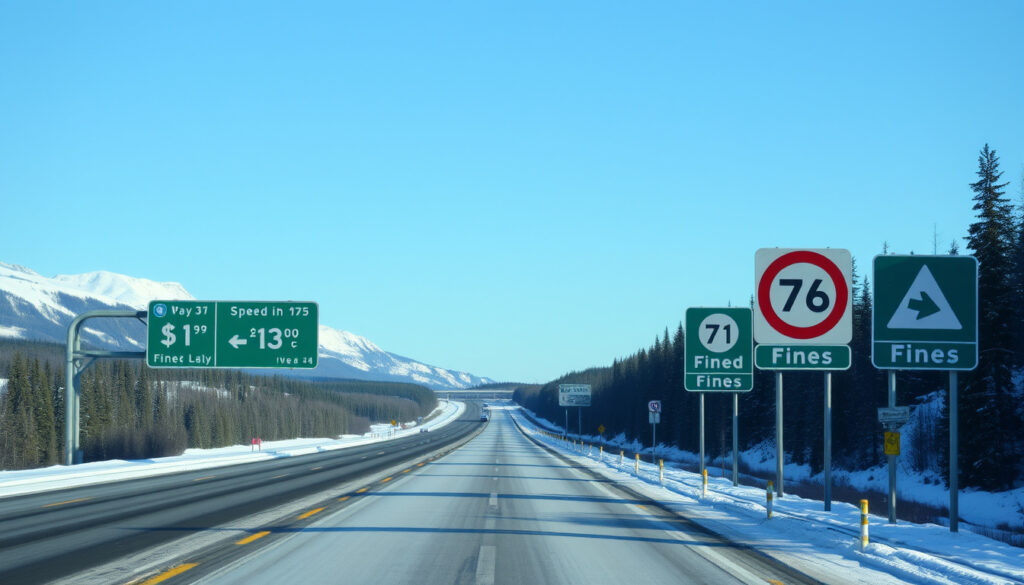
New Driving Laws Canada – Fines, Rules and Key Changes
Canada’s road safety framework underwent significant transformation in 2024 and 2025, with federal and provincial governments implementing the most sweeping changes to driving laws in recent memory. From handheld device bans to stricter impaired driving thresholds, the modifications aim to reduce fatalities and improve compliance across all provinces and territories.
The updates introduce standardized penalties, new enforcement technologies, and enhanced consequences for dangerous driving behaviours. Drivers across the country now face higher fines, immediate license suspensions, and mandatory education programs for violations that previously carried lesser penalties.
What Are the New Driving Laws in Canada for 2024?
The National Driving Law Changes Effective July 2025 establish a baseline that all provinces must meet or exceed, while allowing regional authorities to implement additional restrictions. The changes address four primary areas: distracted driving, impaired driving, speed limits, and enforcement mechanisms.
Fines up to $600+ for handheld device use
Immediate 30-day license suspension
BAC threshold lowered to 0.05%
30 km/h in school zones nationwide
Effective Dates Across Provinces
The national framework takes effect between July 1 and July 10, 2025, with some provinces phasing in specific provisions. Ontario and British Columbia announced additional distracted driving updates scheduled for October 2025, tightening penalties beyond the federal baseline. Provincial governments retain authority to implement stricter rules, which explains why drivers in different regions may encounter varying enforcement approaches.
Key Changes for Novice Drivers
Novice drivers holding G1, G2, or equivalent licenses face zero tolerance for alcohol across all provinces. This means any detectable BAC results in automatic penalties, regardless of whether impairment would meet threshold levels for experienced drivers. Combined with heightened distracted driving consequences, new drivers must maintain stricter compliance than their seasoned counterparts.
- Handheld device prohibition applies universally, with fines starting at $600 for first offenses
- Zero BAC tolerance affects all novice and commercial license holders nationwide
- AI speed cameras and radar systems now enforce tailgating and improper lane changes
- School zones operate under 30 km/h restrictions 24 hours daily, seven days per week
- Vehicle impoundment accompanies severe penalties for stunt driving convictions
- Advanced Driver Assistance Systems becoming mandatory in new vehicle models
- Provincial variations persist for specific offenses despite federal coordination efforts
| Province | Distracted Fine | Demerit Points | Key Notes | Stunt Penalty |
|---|---|---|---|---|
| National Standard | $600+ | Varies | Zero BAC tolerance | N/A |
| Ontario | $580–$600+ | 4 | Aligns with national | $2,000–$10,000 + 14-day impound |
| British Columbia | $600+ | 4 | Stricter Oct 2025 | Per provincial rules |
| Alberta | $390 | 3 | Provincial baseline | Per provincial rules |
| Quebec | $600+ | Varies | Aligns with national | Per provincial rules |
What Are the Updated Distracted Driving Fines and Rules?
Distracted driving penalties increased substantially under the new framework, reflecting concerns about driver inattention as a leading cause of collisions. The changes target handheld device usage specifically, though broader definitions of distraction also carry significant consequences.
Cell Phone and Device Bans
All provinces prohibit handheld use of phones, tablets, smartwatches, and voice-activated devices while operating a vehicle. The ban extends to devices mounted on windshields or dashboards if touched during driving. Smartwatches and internet-connected glasses fall under the same restrictions as mobile phones, as they can display notifications or accept voice commands. Drivers must use hands-free setups entirely, relying on voice activation or steering wheel controls for any necessary functions.
Hands-free GPS navigation and music streaming remain permitted when configured before departure. Setting destinations, adjusting playlists, or accepting calls requires voice activation or pre-trip programming.
Fine Amounts by Province
Fine structures vary across jurisdictions, with the national minimum establishing $600 as the baseline for first offenses. Alberta currently imposes $390 for distracted driving violations, falling below the national threshold, though harmonization efforts may adjust this figure. British Columbia and Ontario align closely with federal guidelines, with both provinces announcing additional increases effective October 2025. Beyond monetary penalties, drivers accumulate demerit points that affect insurance rates and license status over time.
Stunt Driving and Speeding Penalties Explained
Stunt driving definitions expanded significantly, capturing behaviours that previously fell under standard speeding or dangerous driving categories. The reforms target deliberate reckless actions, excessive speed relative to posted limits, and maneuvers that endanger other road users.
Definition of Stunt Driving
Provincial definitions include activities such as drifting, burnouts, street racing, and performing tricks or stunts on public roads. Beyond these obvious violations, driving 50 km/h over the posted limit in a school zone or 40 km/h over the limit elsewhere qualifies as stunt driving in Ontario. Similar thresholds apply in other provinces, though specific parameters vary. The inclusive definitions allow police to charge offenders even when traditional stunt elements are absent.
New Speed Thresholds and Suspensions
Exceeding speed limits by more than 20 km/h in areas monitored by AI cameras triggers immediate administrative action, including license suspension and vehicle impoundment. Ontario’s progressive penalty structure imposes 14-day impoundment and fines ranging from $2,000 to $10,000 for first offenses. Second violations attract 30-day impoundment and fines between $5,000 and $15,000. Drivers who accumulate three or more convictions face potential permanent license revocation under the most severe circumstances.
AI speed cameras, radar systems monitoring tailgating and improper lane changes, and aerial drones now supplement traditional patrol enforcement. These technologies enable continuous surveillance that human resources cannot sustain, increasing detection probability.
Impaired Driving and Provincial Variations
Impaired driving laws underwent substantial revision at both federal and provincial levels, lowering acceptable blood alcohol thresholds and expanding the range of substances covered. The coordinated approach aims to close gaps that allowed impaired drivers to escape prosecution under previous frameworks.
Federal vs Provincial Impaired Rules
The national standard reduced the legal BAC limit from 0.08% to 0.05% for experienced drivers, bringing Canada closer to international best practices. Fines for impaired driving offenses now exceed $2,000, with additional costs for mandatory education programs, license reinstatement, and interlock device installation. Provincial frameworks must meet or exceed federal minimums, creating a floor beneath which no jurisdiction can fall.
BC and Ontario Specifics
British Columbia aligns with national impaired driving provisions, adding provincial enforcement resources to support compliance. The province integrates stricter novice driver rules with federal zero tolerance policies, creating layered consequences for young and inexperienced drivers. Ontario’s approach combines impaired driving enforcement with expanded dangerous driving provisions, targeting the most egregious road safety violations. Both provinces coordinate with national databases to track repeat offenders across provincial boundaries.
G1 and G2 license holders in Ontario, and equivalent classifications elsewhere, face zero BAC tolerance. Any measurable alcohol concentration results in automatic penalties, even below the standard 0.05% threshold.
Timeline of Driving Law Changes
The evolution of Canada’s driving laws reflects accumulating evidence about road safety risks and growing public pressure for stronger enforcement. Key milestones mark shifts in regulatory philosophy and technical capability. For more information on the new driving laws, click dormir ràpidament.
- : National driving law framework takes effect, standardizing distracted, impaired, and speed-related penalties across provinces
- : Ontario and British Columbia implement additional distracted driving restrictions beyond federal baseline
- : Federal distracted driving legislative framework established
- : Initial federal coordination efforts for provincial driving law harmonization begin
What Is Established and What Remains Unclear?
While the new driving laws provide substantial detail on many aspects, certain elements remain subject to interpretation or require verification as implementation progresses.
| Established Information | Unresolved Questions |
|---|---|
| National $600+ distracted fine baseline | Quebec-specific provincial implementations |
| 0.05% national BAC threshold | Crosswalk law specifics |
| 30 km/h school zone limits nationwide | Alberta alignment with federal fines |
| Zero BAC for novice drivers nationally | Micro-mobility vehicle regulations |
| Ontario 14/30-day impoundment schedule | ADAS requirements for existing vehicles |
| AI camera deployment for speed enforcement | Specific provincial stunt definitions |
Why These Driving Law Changes Matter
The comprehensive updates respond to persistent road safety concerns that consecutive governments addressed through incremental measures. Research demonstrating the dangers of handheld device use, impaired driving, and excessive speed informed the aggressive penalty structures now in effect. Families affected by preventable collisions advocated for change, creating political momentum for reforms that previous administrations considered too punitive.
Provincial autonomy in traffic matters historically created inconsistent enforcement across Canada. A driver facing charges in one province might encounter substantially different consequences for identical behaviour elsewhere. The new framework establishes minimum standards that all provinces must meet, reducing jurisdictional arbitrage that impaired drivers exploited. Enforcement technology investments reflect lessons learned from jurisdictions worldwide, where automated systems proved more consistent than human patrols.
Sources and Official References
The Ontario government is cracking down on dangerous driving to protect people on Ontario roadways through significant penalties for stunt driving and dangerous driving offenses.
Ontario Ministry of Transportation
Primary sources include provincial transportation ministries, legal publications tracking case outcomes, and official government websites documenting regulatory changes. The Canada’s Driving Law Changes Effective July 2025 resource provides comprehensive coverage of federal-provincial coordination efforts. Alberta’s official distracted driving guidance offers provincial-specific details at alberta.ca/distracted-driving.
Summary: Key Takeaways for Canadian Drivers
The new driving laws in Canada represent a coordinated effort to reduce road fatalities through stricter penalties, broader definitions of prohibited behaviour, and enhanced enforcement technology. Drivers should prioritize understanding provincial regulations alongside federal minimums, as regional authorities retain considerable discretion in implementation. Hands-free device usage, adherence to reduced speed limits in school zones, and complete abstinence from alcohol for novice drivers form the foundation of compliance. The consequences of violations now extend beyond monetary fines to include license suspension, vehicle impoundment, and mandatory education requirements that affect insurance rates for years.
Frequently Asked Questions
What counts as distracted driving in Canada?
Any handheld use of mobile phones, tablets, smartwatches, or similar devices while driving qualifies as distracted driving. This includes holding a phone, touching the screen, or speaking on a handheld device.
When do the new Canadian driving laws take effect?
The national framework becomes effective between July 1 and July 10, 2025. Ontario and British Columbia implement additional distracted driving provisions in October 2025.
What is the penalty for stunt driving in Ontario?
First offenses result in 14-day vehicle impoundment and fines between $2,000 and $10,000. Second offenses carry 30-day impoundment and fines up to $15,000. Third offenses may result in permanent license revocation.
Can tourists drive in Canada under the new laws?
Yes, visitors must comply with provincial driving laws, including distracted driving bans and impaired driving thresholds. Penalties apply equally to residents and non-residents.
What is the legal blood alcohol limit for experienced drivers?
The national standard sets the legal limit at 0.05% BAC for experienced drivers, down from the previous 0.08% threshold.
Are hands-free devices allowed while driving?
Yes, voice-activated phones and devices configured before driving remain permissible. The ban applies specifically to handheld device use.
Do the new speed limits apply at night?
School zone limits of 30 km/h apply 24 hours daily, seven days per week. Residential eco-safety corridors maintain reduced limits continuously.
What happens if I am caught with any alcohol as a new driver?
Novice drivers with G1, G2, or equivalent licenses face zero tolerance for alcohol. Any detectable BAC triggers automatic penalties under national regulations.
More related posts
 Sean Connery: Cause of Death, Net Worth & Life Behind James Bond
 When Is Election Day in Canada – 2029 Date and Key Rules
 How Did Gene Hackman Die? Autopsy & Cause of Death
 Translate English to Vietnamese: Free Tools Guide
 Nike Zoom Vomero 5: Features, Reviews & Comparisons
 Emily Deschanel: Diagnosis, Lawsuit, Family & Career
 El Capitan: Height, Deaths, Cost & Bathroom Guide
 NHL All-Star Skills Competition: History, Records & 2024 Winner
